Almost nothing you see moving will be in a park. India’s animals live in the traffic, on the rooftops and in the fields along the road, and early November — dry, mild, just after the harvest — has them out in daylight. The short list for this route: the mark that names each one in two seconds, and one thing worth knowing.
In the cities, forts and temple courtyards
The two monkeys
Worth ten seconds of study: one ignores you, the other goes through your bag.
| Animal | Know it by | Worth knowing |
|---|
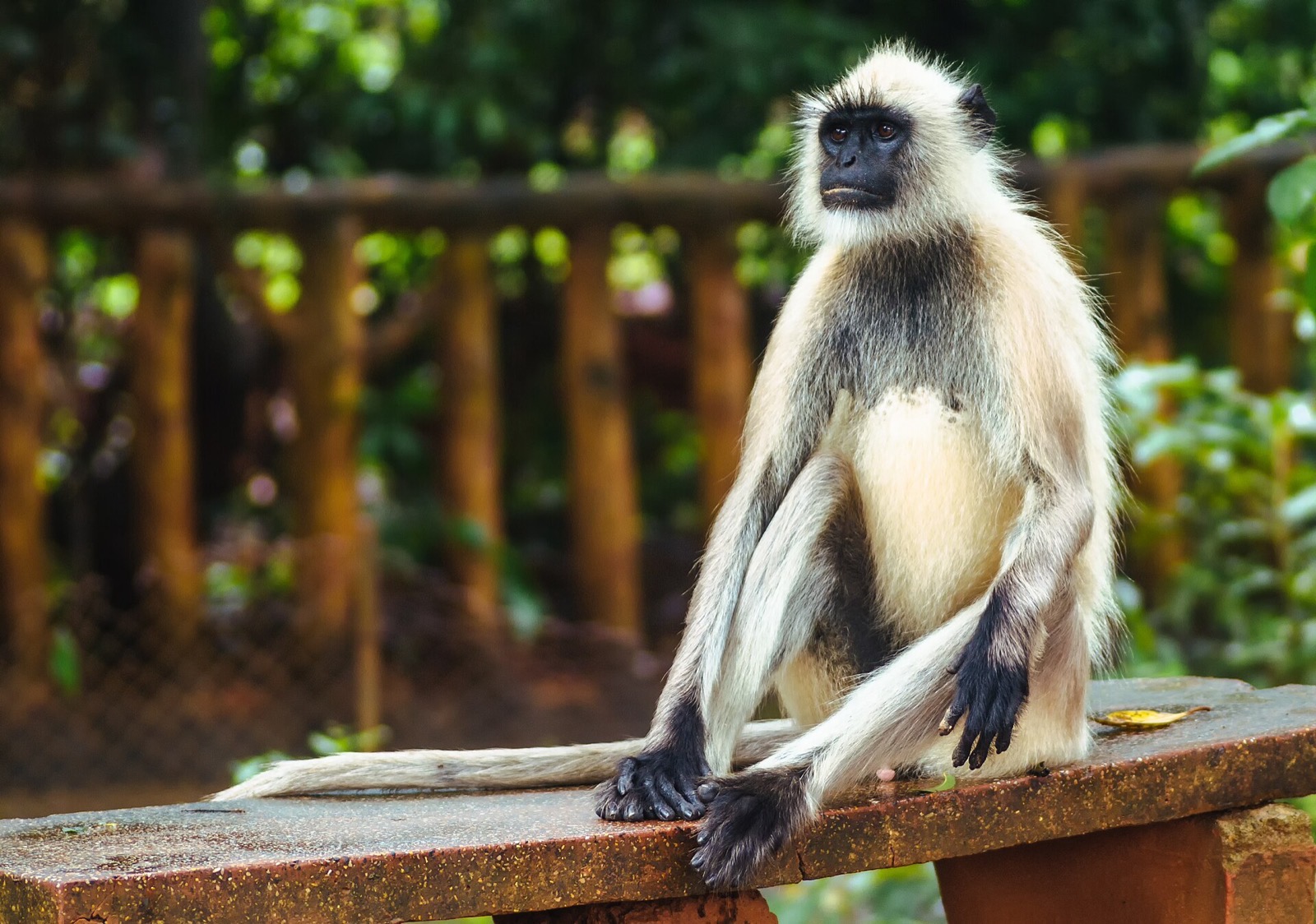
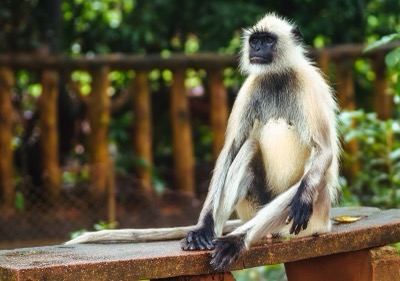 Grey langur photos | Silver-grey coat, coal-black face and hands, tail longer than the body. Sits in a group eating leaves; does not approach. | Named for Hanuman and left alone by everyone. Near-certain on the parapets at Kumbhalgarh. |
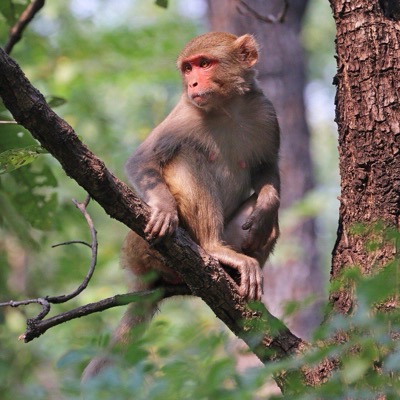 Rhesus macaque photos | Sandy-brown, pink face, stubby tail. Walks towards you along a wall. | This is the one that steals — food, bottles, sunglasses, phones. Macaques are terrified of langurs, so Delhi hires men trained to imitate langur calls to clear them out of government buildings. |
The rest of the street
| Animal | Know it by | Worth knowing |
|---|
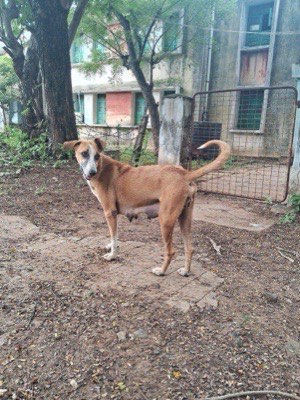 Street dog photos | Mid-sized, sandy or brindle, curled tail, upright ears — the same landrace from Delhi to Kerala. | A V-shaped notch cut in one ear means the dog has been caught, sterilised, vaccinated against rabies and put back where it was found — national policy, upheld by the Supreme Court in 2025. |
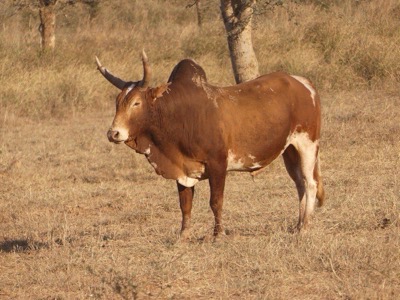 Cattle photos | Humped shoulder, loose fold of skin swinging under the throat, horns often painted. Lying in the carriageway as if it were a field. | Slaughter is banned in Rajasthan, so cows that stop giving milk are turned loose to forage and drift back into the market lanes. Traffic gives way to them, always. |
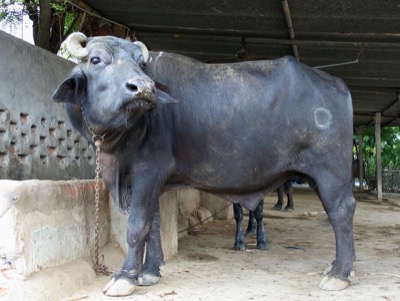 Water buffalo photos | Slate-black, almost hairless, horns sweeping back in a ridged curve. Usually wet, usually being led. | Buffaloes give a bit over two-fifths of India’s milk, and it is far fatter than cow’s. The chai, the paneer and the curd are mostly buffalo. |
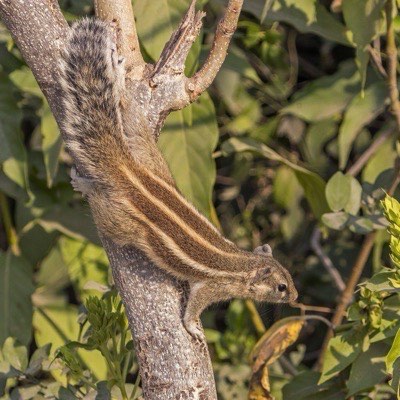 Palm squirrel photos | Small, grey-brown, five pale stripes down the back, never still. | The story goes that Rama stroked a squirrel’s back in thanks, leaving three white finger-marks. That is the southern species; the northern one has five stripes, which the story does not explain. |
From the car
| Animal | Know it by | Worth knowing |
|---|
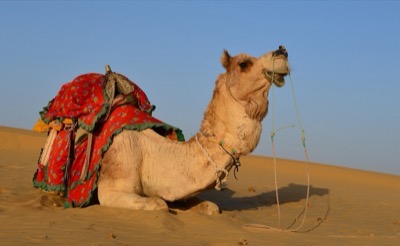 Camel photos | One hump, long legs, usually in harness pulling a flat two-wheeled cart — including in the slow lane of a six-lane highway. | Rajasthan’s state animal. Since 2015 it has been illegal to slaughter one or take it out of the state; numbers have fallen anyway, camels having lost their work to trucks. |
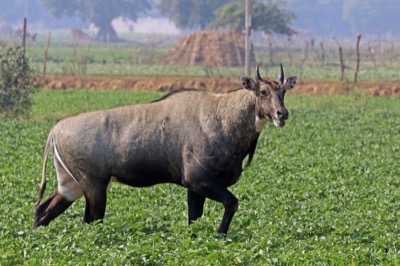 Nilgai photos | The size of a horse. Bulls slate-grey with a white throat patch and short straight horns, cows tawny. Stands in the stubble and stares. | Asia’s largest antelope. Its name means “blue cow”, and the cow half has done more to protect it from farmers than any law. |
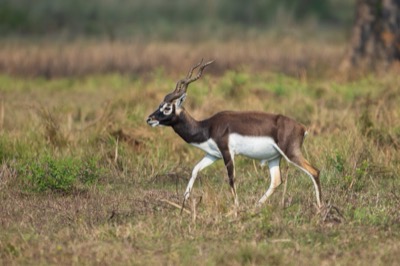 Blackbuck photos | Males: long spiral horns, near-black above, white belly and eye-rings. Females fawn and hornless. | The Bishnoi villages around Rohet protect wildlife as a religious duty, so blackbuck there graze in the open instead of bolting. |
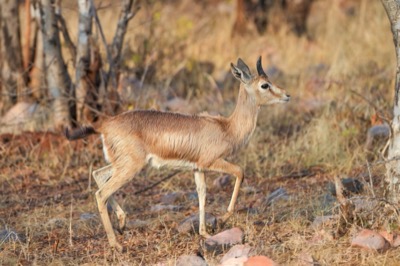 Chinkara photos | Small sandy gazelle, thin straight horns, alone or in twos and threes on stony ground. | Rajasthan’s other state animal, at home in the Kumbhalgarh sanctuary and the dry country west of it. |
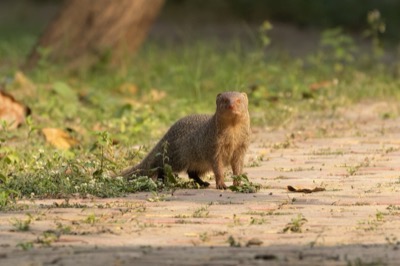 Mongoose photos | Grizzled grey, low and long, bushy tail; crosses the road at a flat sprint. | It fights cobras and usually wins — partly speed, partly a mutation in its nerve receptors that blunts the venom. |
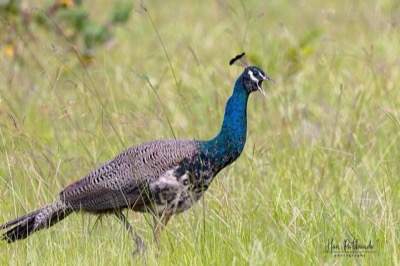 Peacock photos | Blue neck, fan-shaped crest, long legs — and no train. Males shed the tail after the monsoon and regrow it by February, so in November they look plain. | India’s national bird since 1963, wild here rather than kept, and very loud. At dusk they fly heavily up into trees to roost. |
Overhead and on the wires
| Bird | Know it by | Worth knowing |
|---|
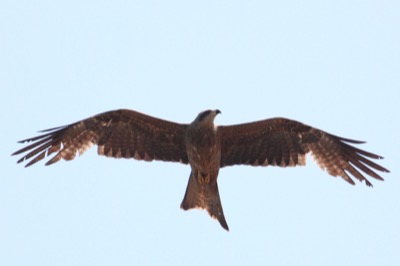 Black kite photos | Brown raptor with a forked tail, circling low over the city all day. | Delhi’s kites are probably the densest concentration of birds of prey ever measured — about fifteen nests to the square kilometre — fed in part by meat thrown to them as an offering in Old Delhi. |
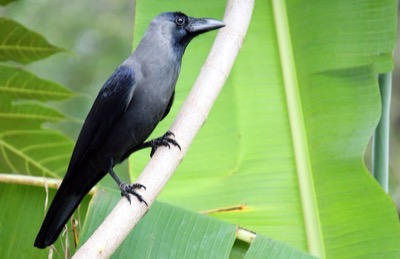 House crow photos | Grey collar and breast against a black head and wings. An all-black one is a different, bigger crow. | It has followed ships out of India and settled in ports as far off as East Africa and the Netherlands. |
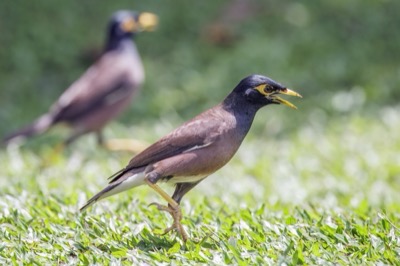 Common myna photos | Brown body, black head, yellow bill and a bare yellow patch behind the eye. Walks, never hops. | One of only three birds on the international list of the hundred worst invasive species. |
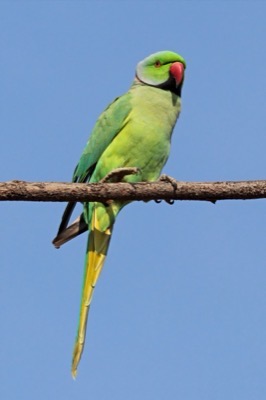 Rose-ringed parakeet photos | Bright green, long thin tail, screaming in flocks at dusk; males wear a black and pink neck ring. | The same species now lives wild in London and Cologne. In Delhi it nests in the vaults of medieval tombs. |
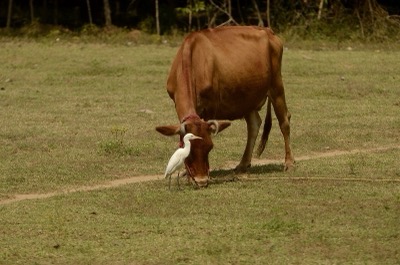 Cattle egret photos | Small white heron standing beside a cow, or riding on its back. | It follows the animal for the insects the hooves flush out of the grass. Plain white now; buff-headed in the breeding season. |
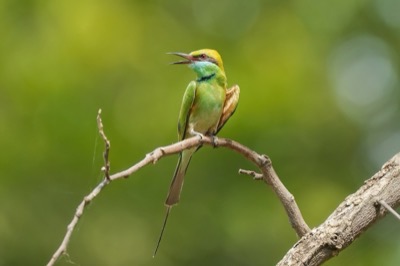 Green bee-eater photos | Small, brilliant green, thin curved bill, two wire-thin feathers off the tail. Darts from a wire and returns to the same spot. | It catches bees in the air, carries them back to the perch and beats the sting out before swallowing. |
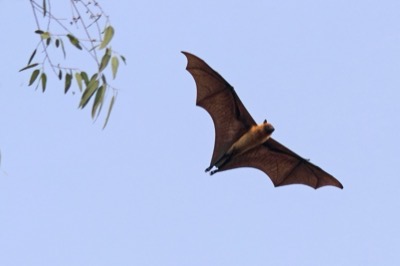 Fruit bats photos | At dusk: big bats crossing the sky on slow, heavy wingbeats, wingspan over a metre. | Indian flying foxes — fruit eaters with no interest in insects or in you. By day they hang in loud colonies in one particular big tree. |
Monkeys, dogs and sense
A macaque that can see food will come for it, and it reads a direct stare as a challenge. Keep food and phones out of sight at forts and temples, feed nothing, and if one takes a bag, let go rather than pull. Dogs sleep through the day and hold territory at night: walk around a group rather than through it, and don’t run. Rabies is the reason for all of this. India has around 5,700 rabies deaths a year, roughly a third of the world’s total, and once symptoms appear the disease cannot be treated. It is also entirely preventable: wash the wound with soap under running water for a full fifteen minutes, then get to a hospital the same day for the vaccine course. That goes for any bite, deep scratch or licked-open cut from a dog, a monkey or a bat, however small. Delhi and Jaipur have good private hospitals; none of this waits until you are home.
Photo credits
- Grey langur — Subhrajyoti07, CC BY-SA 4.0 — Wikimedia Commons
- Rhesus macaque — Charles J. Sharp, CC BY-SA 4.0 — Wikimedia Commons
- Street dog — Kiruthikapalani, CC BY-SA 4.0 — Wikimedia Commons
- Cattle (zebu) — A. J. T. Johnsingh, WWF-India and NCF, CC BY-SA 4.0 — Wikimedia Commons
- Water buffalo — Yann Forget, CC BY-SA 4.0 — Wikimedia Commons
- Palm squirrel — Charles J. Sharp, CC BY-SA 4.0 — Wikimedia Commons
- Camel — Clément Bardot, CC BY-SA 4.0 — Wikimedia Commons
- Nilgai — Charles J. Sharp, CC BY-SA 4.0 — Wikimedia Commons
- Blackbuck — Sunuwargr, CC BY-SA 4.0 — Wikimedia Commons
- Chinkara — Giles Laurent, CC BY-SA 4.0 — Wikimedia Commons
- Mongoose — Tisha Mukherjee, CC BY-SA 4.0 — Wikimedia Commons
- Peacock — Hari K Patibanda, CC BY 2.0 — Wikimedia Commons
- Black kite — ruben alexander, CC BY 2.0 — Wikimedia Commons
- House crow — Anton Croos, CC BY-SA 4.0 — Wikimedia Commons
- Common myna — Charles J. Sharp, CC BY-SA 4.0 — Wikimedia Commons
- Rose-ringed parakeet — Charles J. Sharp, CC BY-SA 4.0 — Wikimedia Commons
- Cattle egret — PJeganathan, CC BY-SA 4.0 — Wikimedia Commons
- Green bee-eater — Giles Laurent, CC BY-SA 4.0 — Wikimedia Commons
- Fruit bat (Indian flying fox) — Charles J. Sharp, CC BY-SA 4.0 — Wikimedia Commons
 Grey langur photos
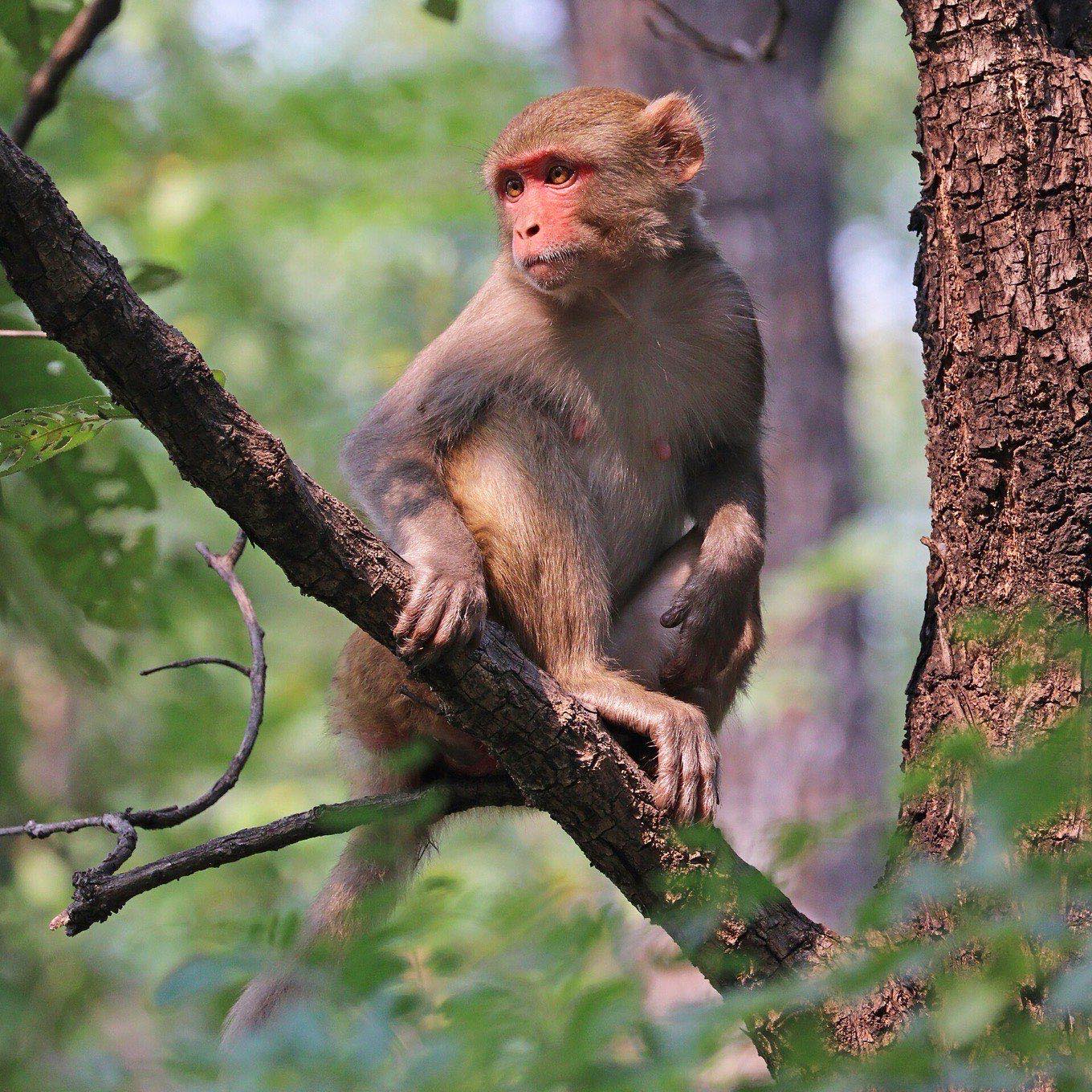 Rhesus macaque photos
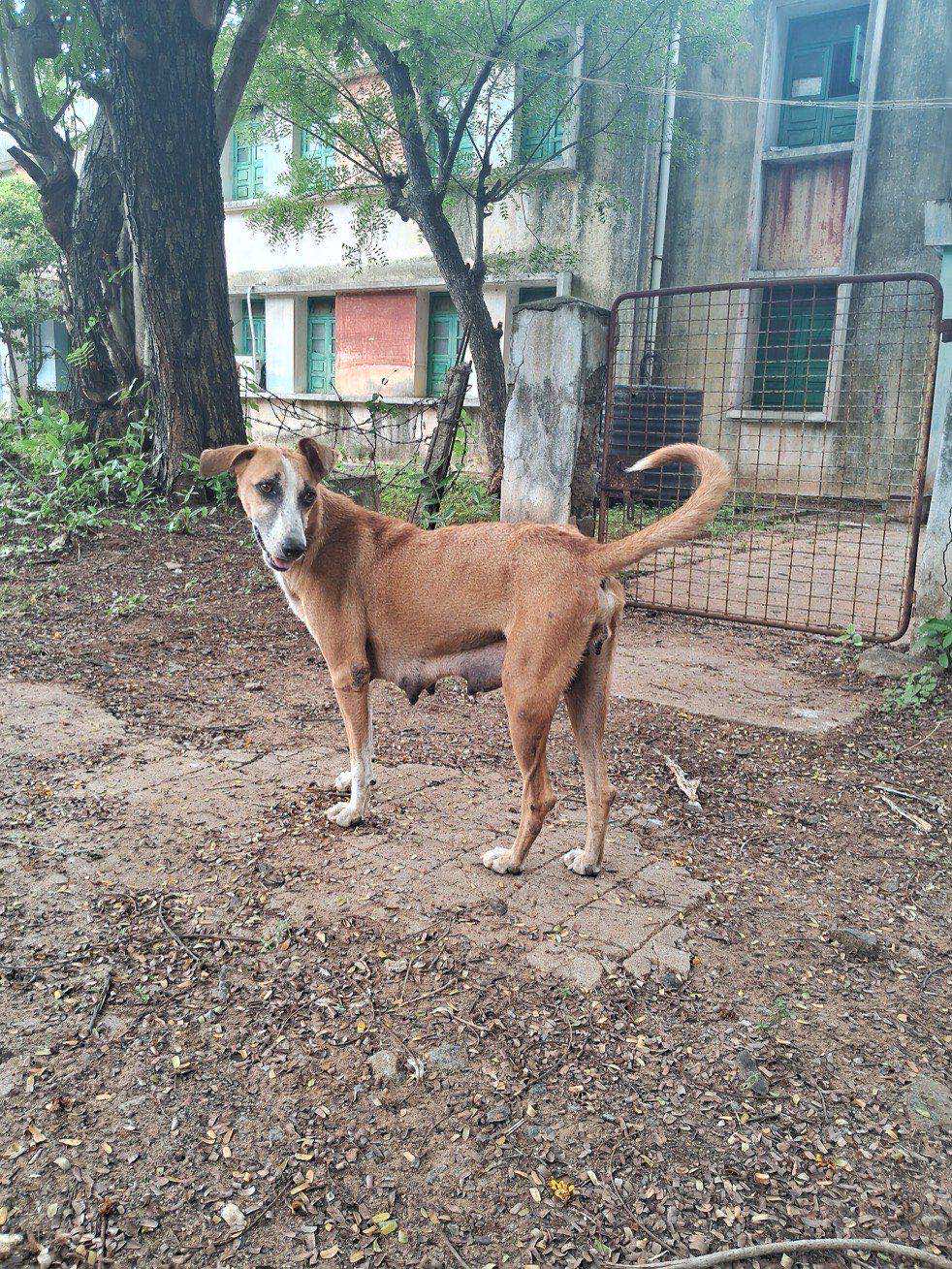 Street dog photos
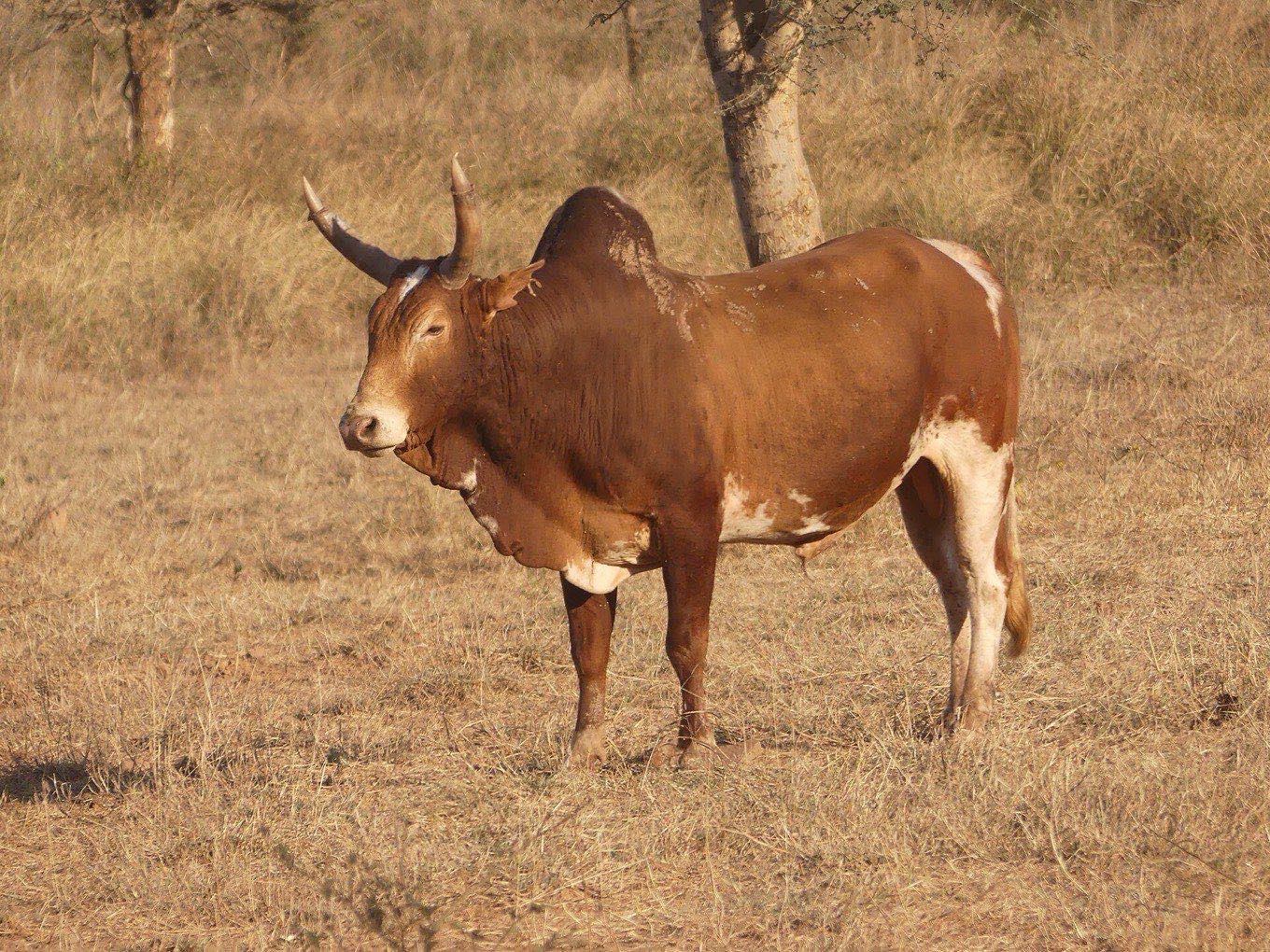 Cattle photos
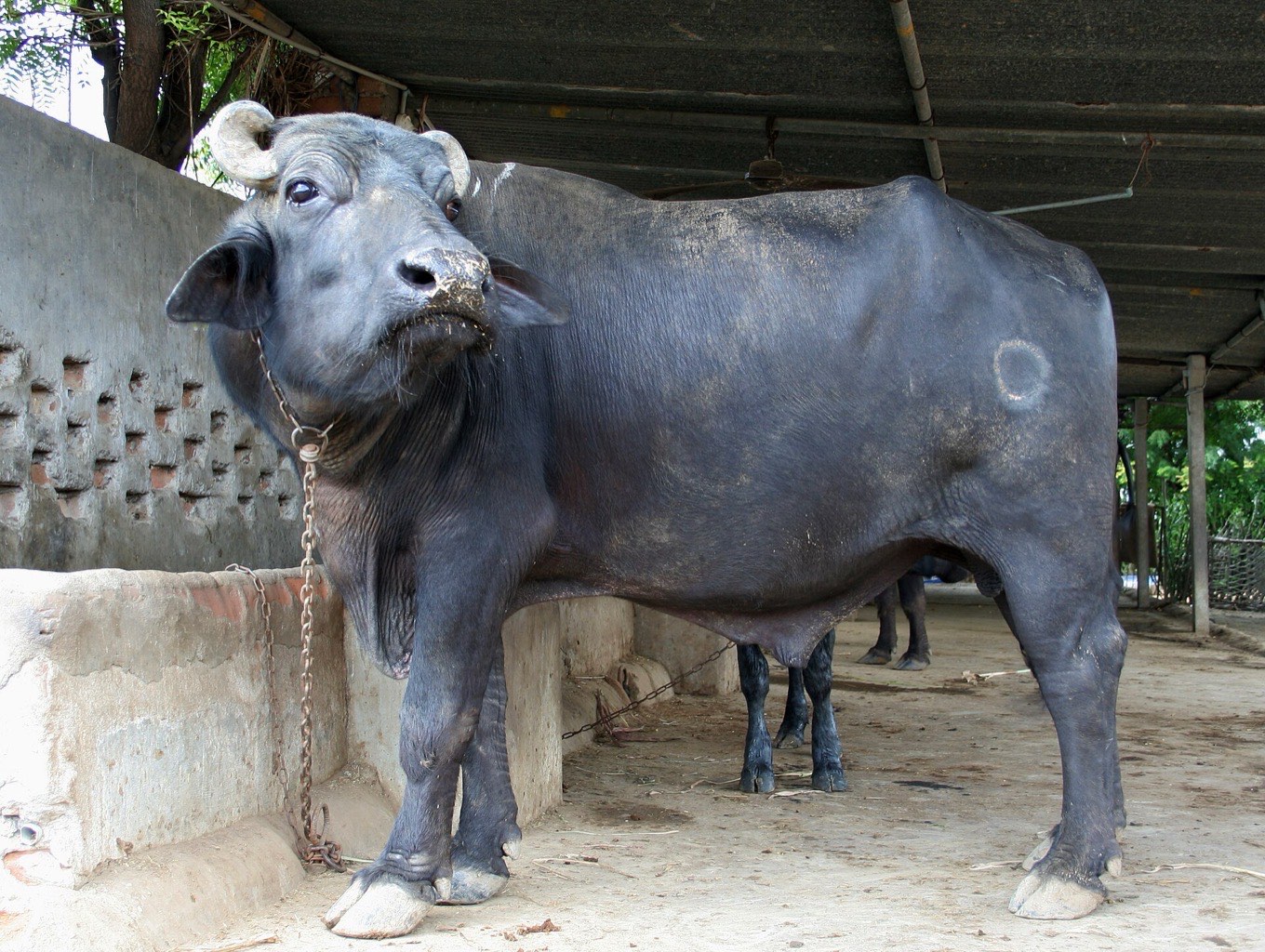 Water buffalo photos
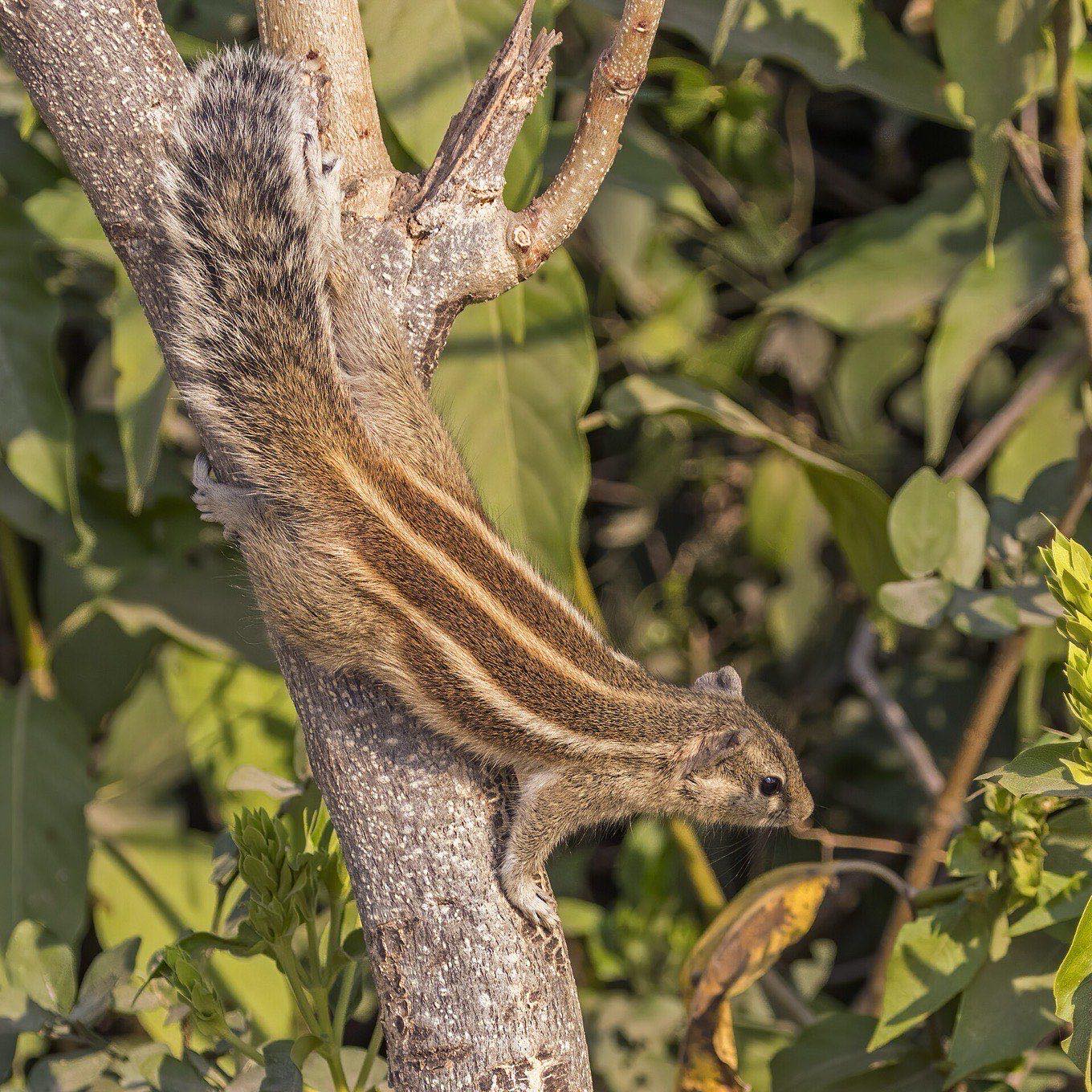 Palm squirrel photos
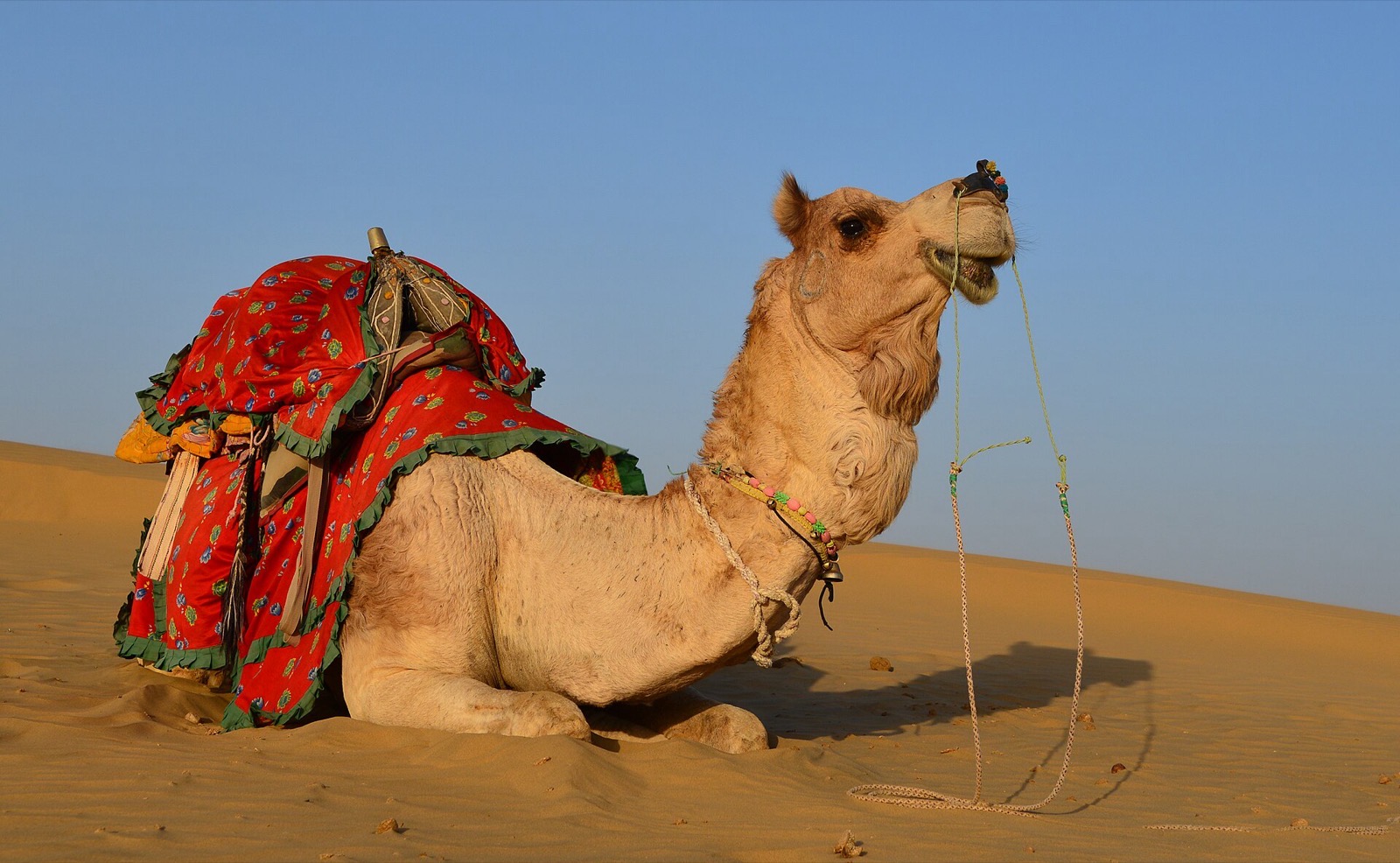 Camel photos
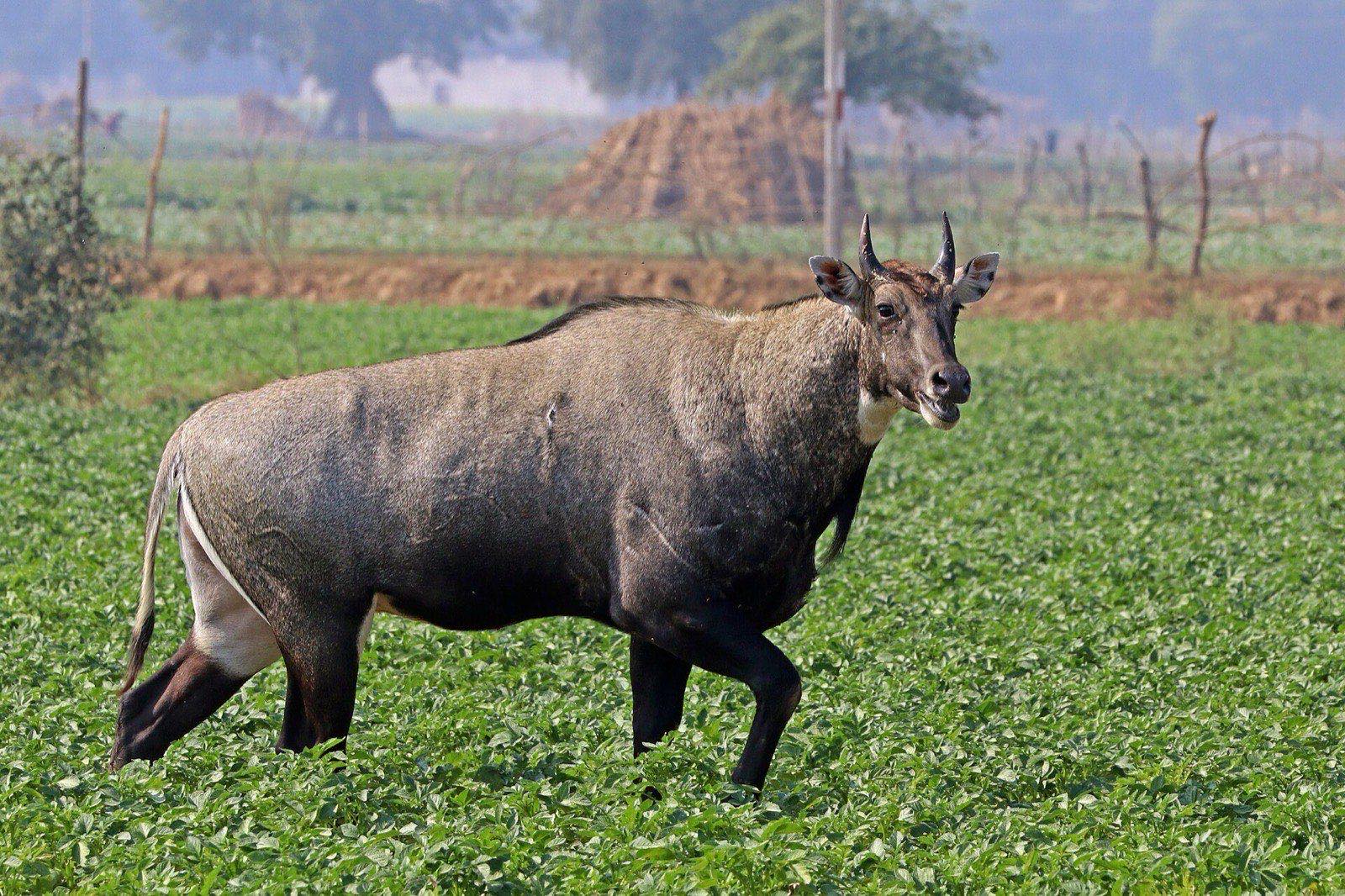 Nilgai photos
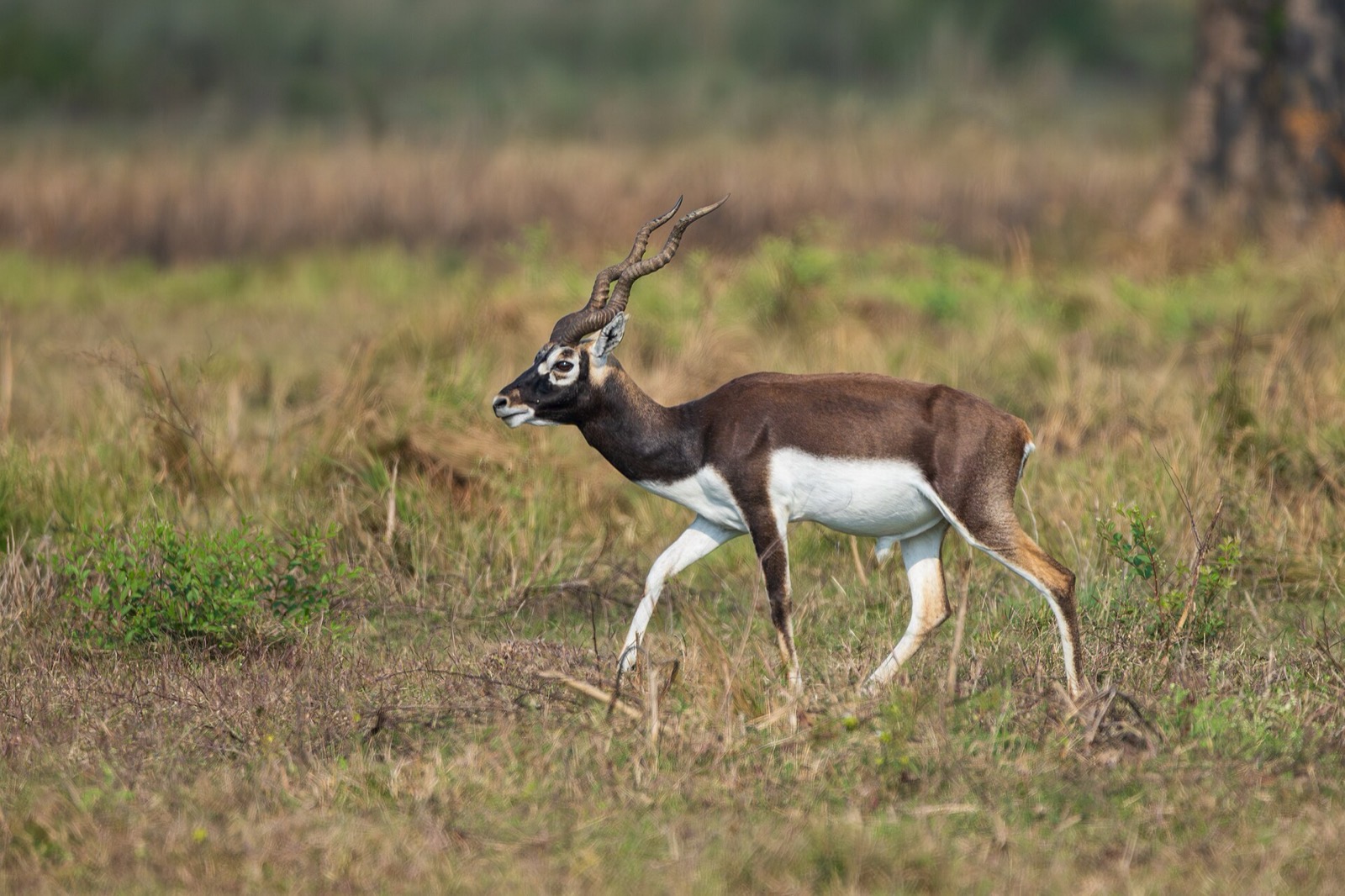 Blackbuck photos
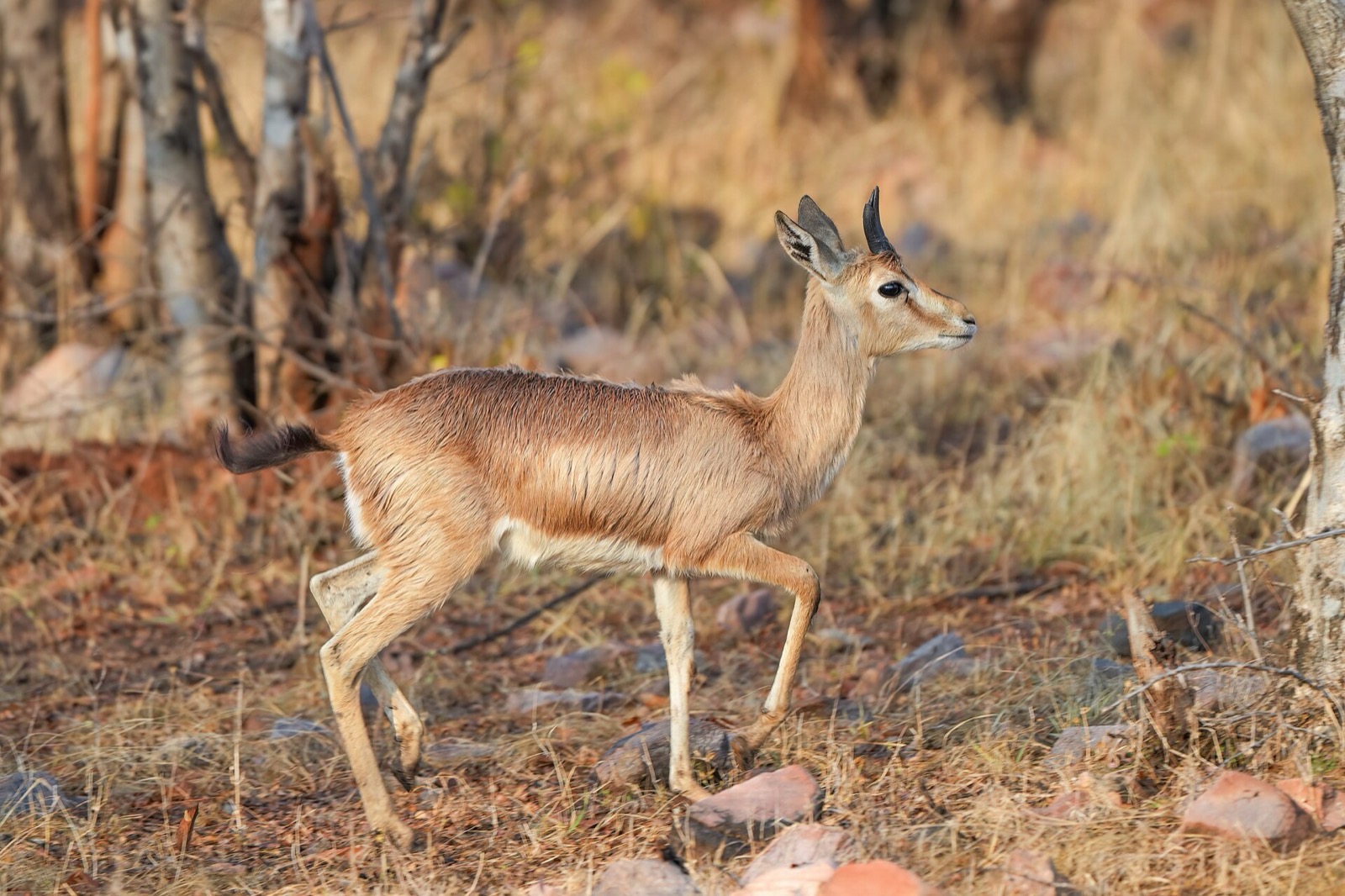 Chinkara photos
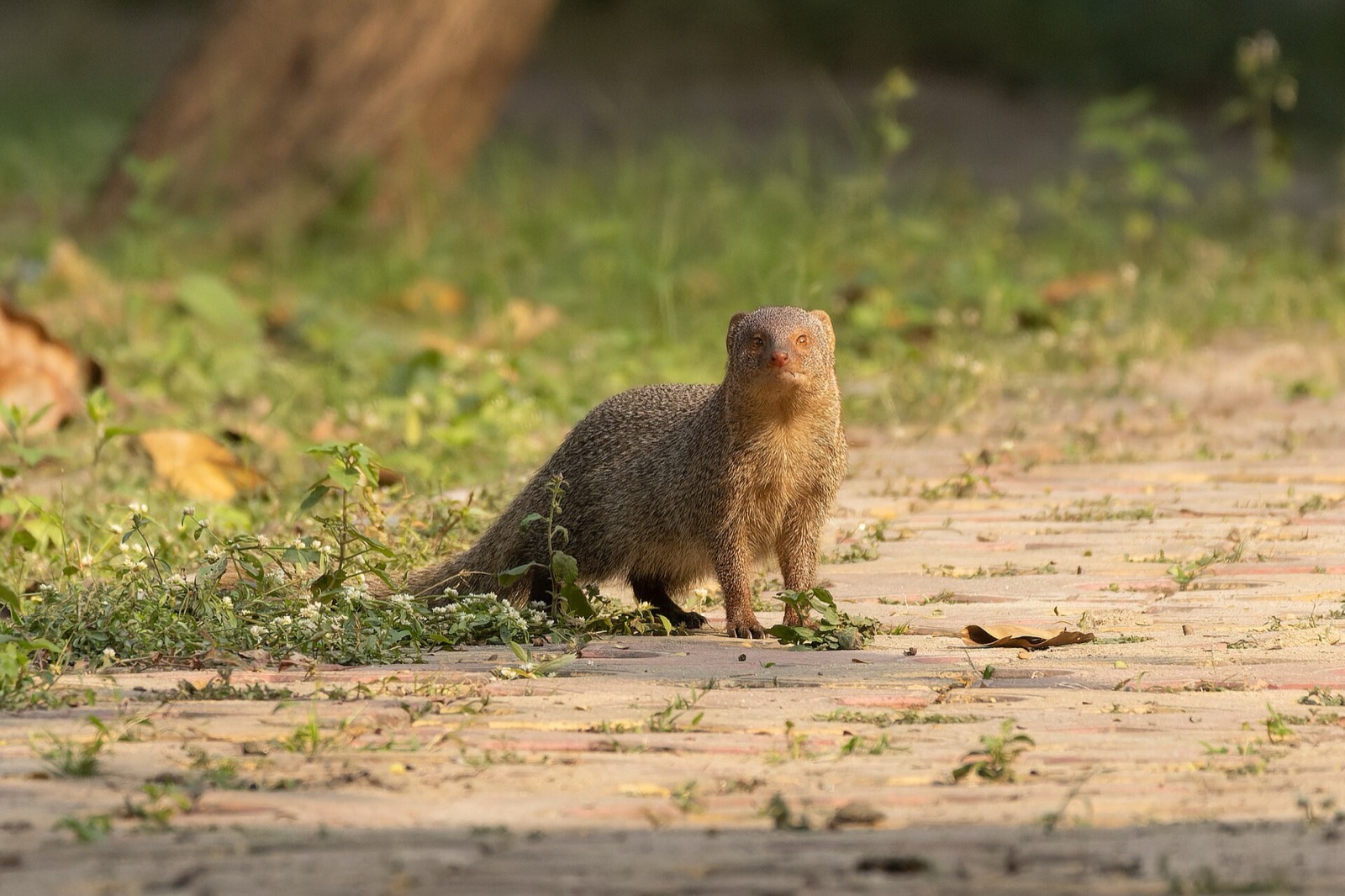 Mongoose photos
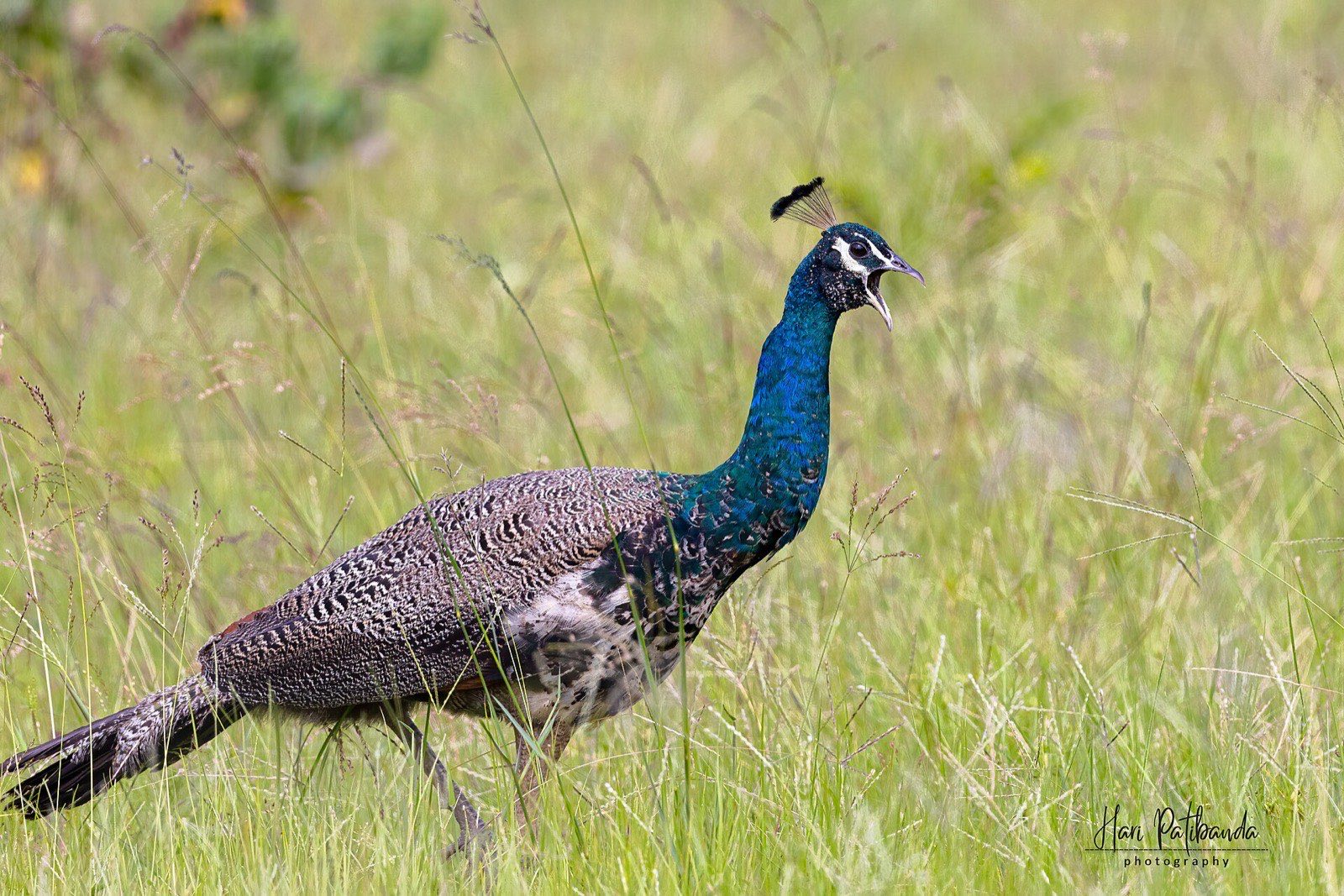 Peacock photos
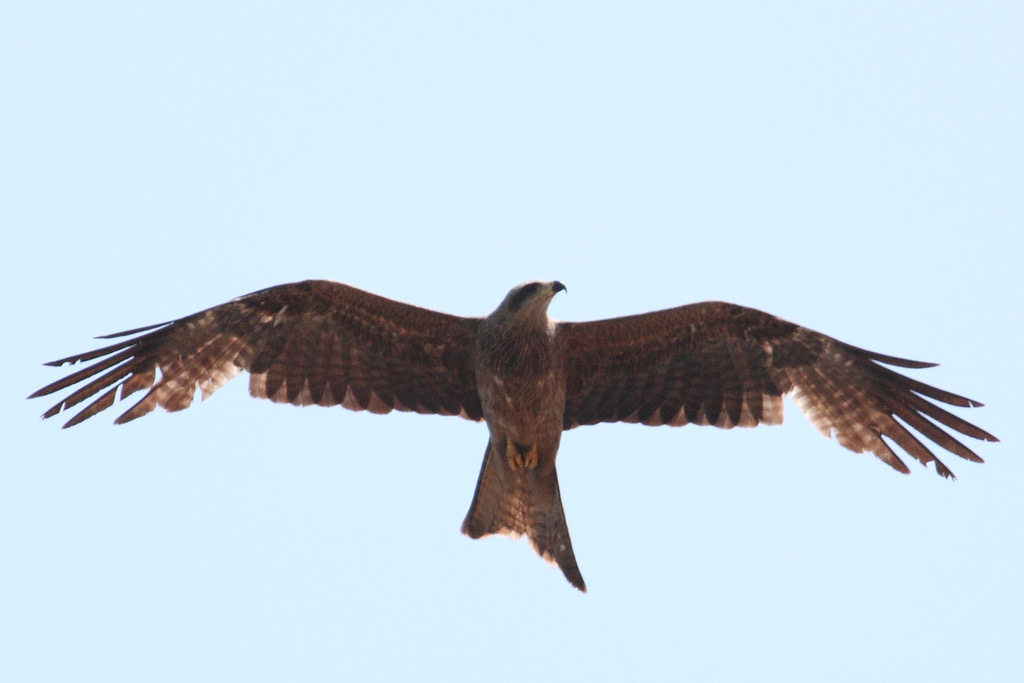 Black kite photos
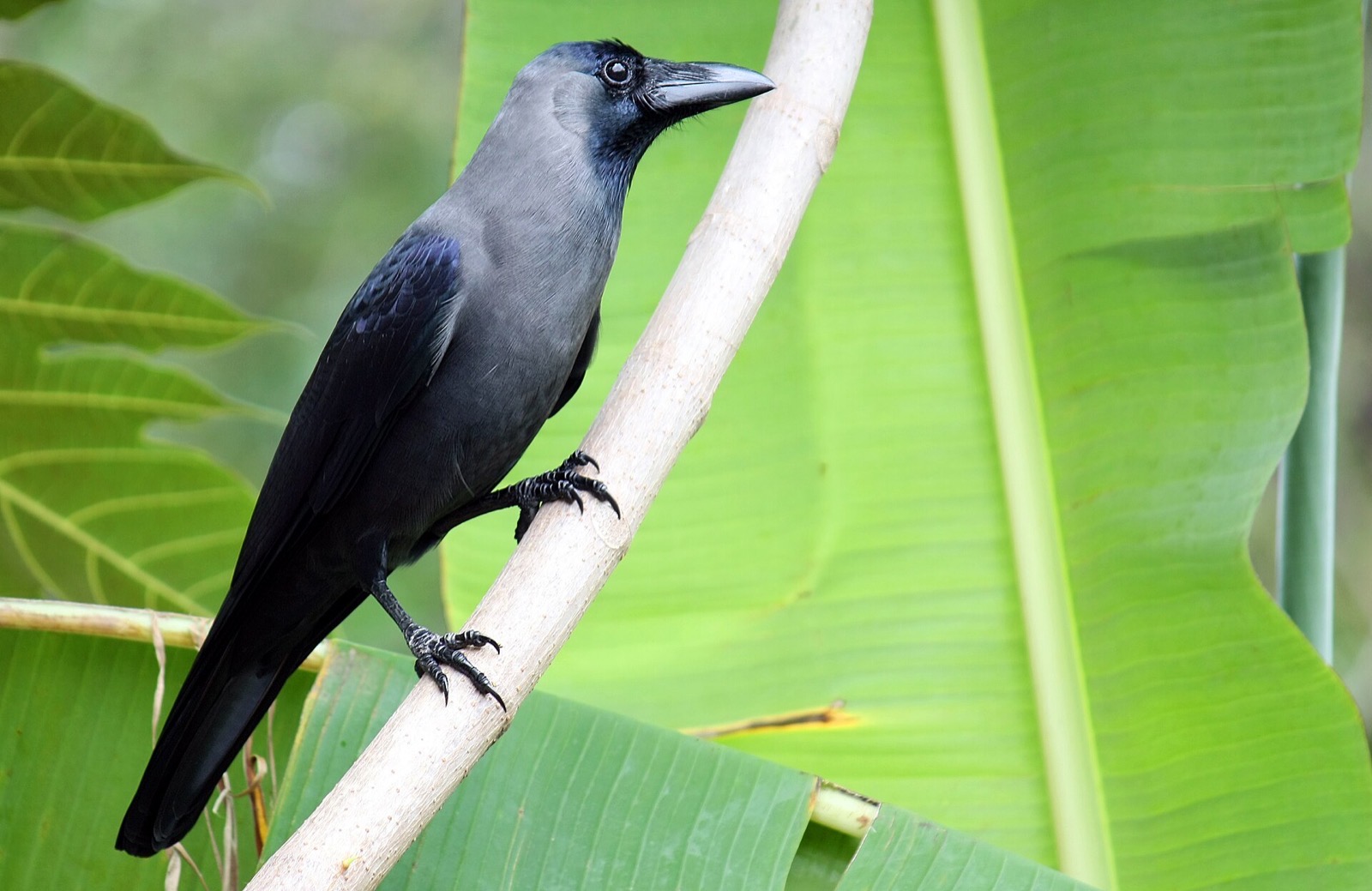 House crow photos
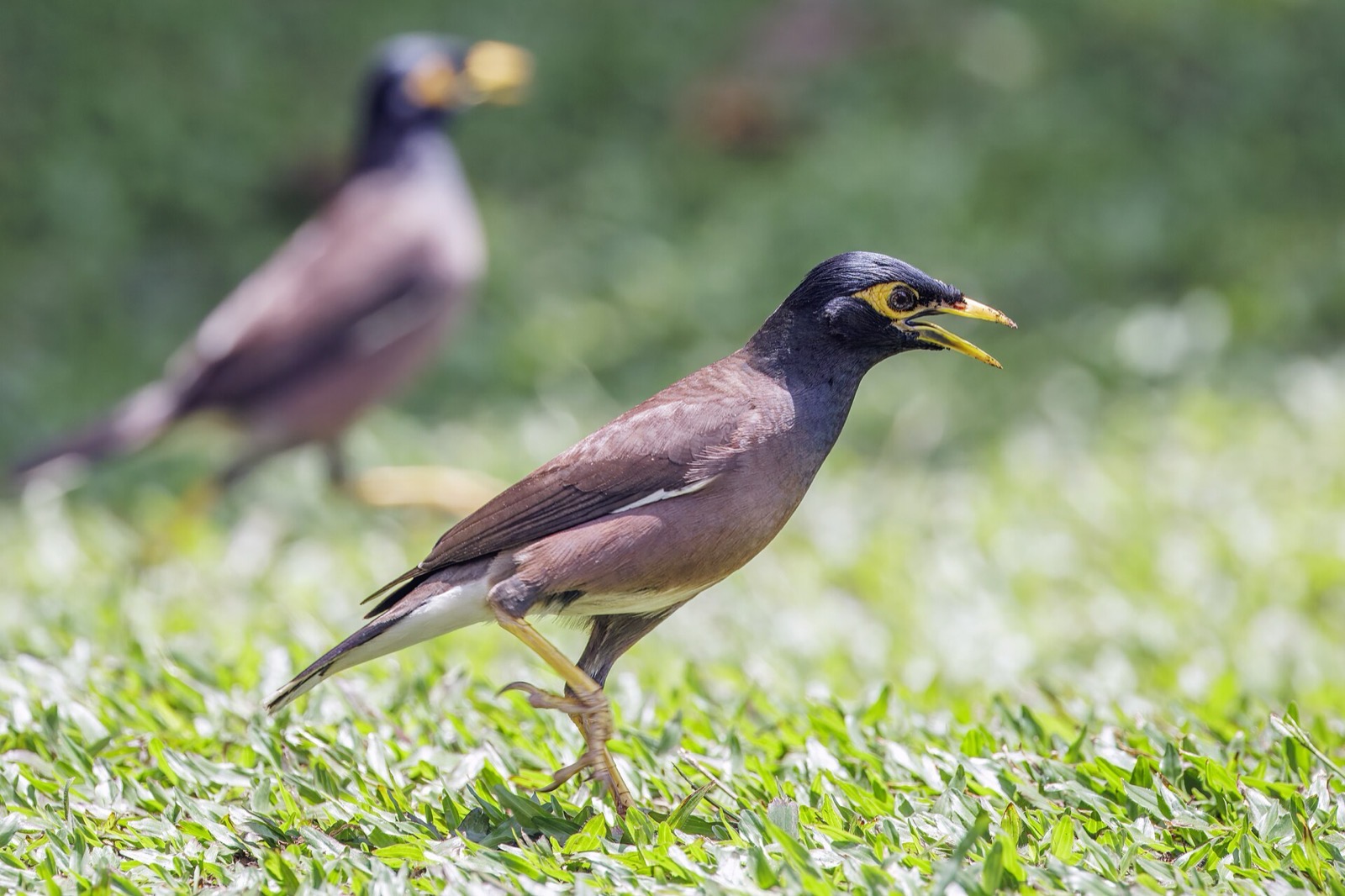 Common myna photos
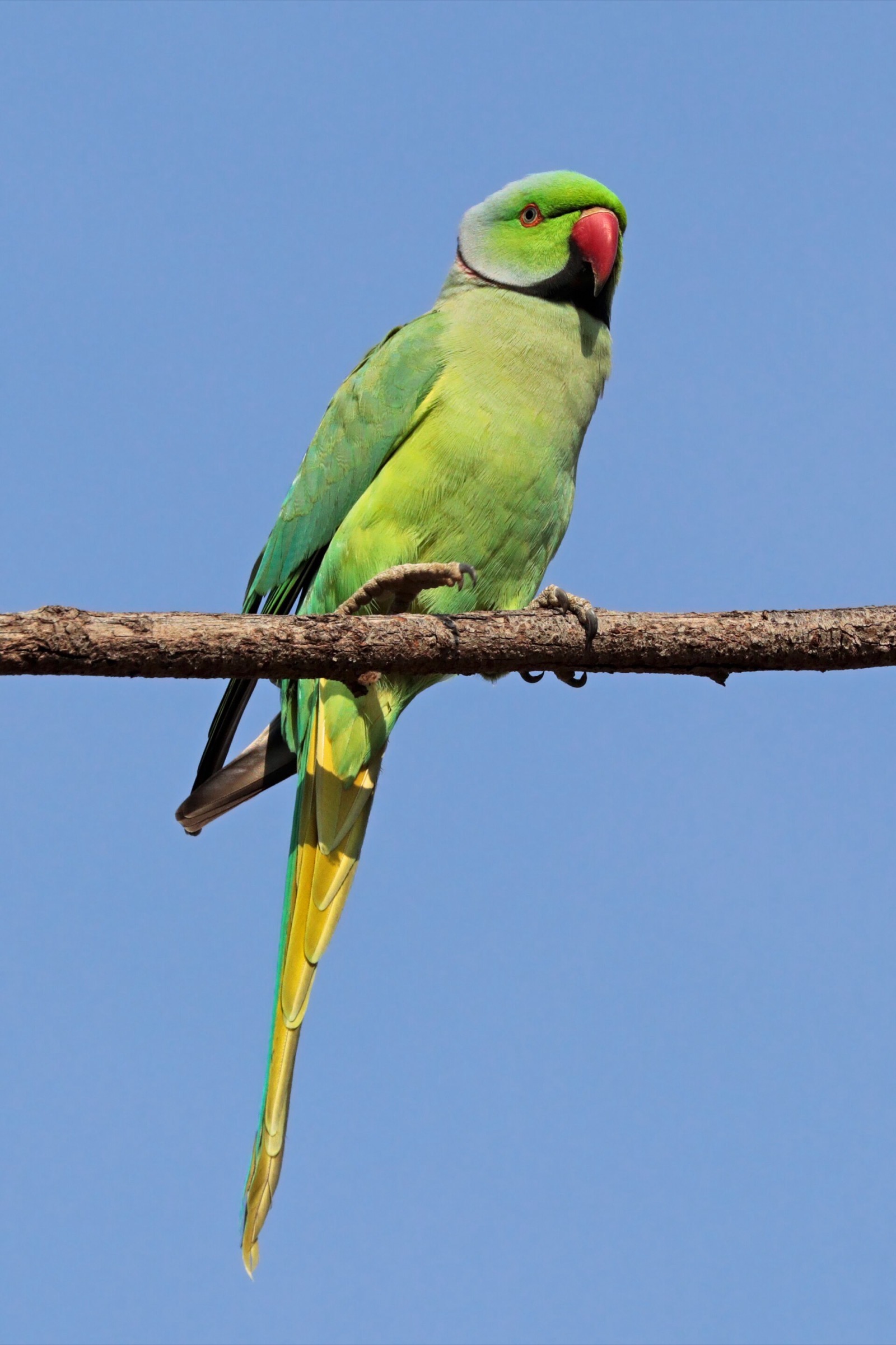 Rose-ringed parakeet photos
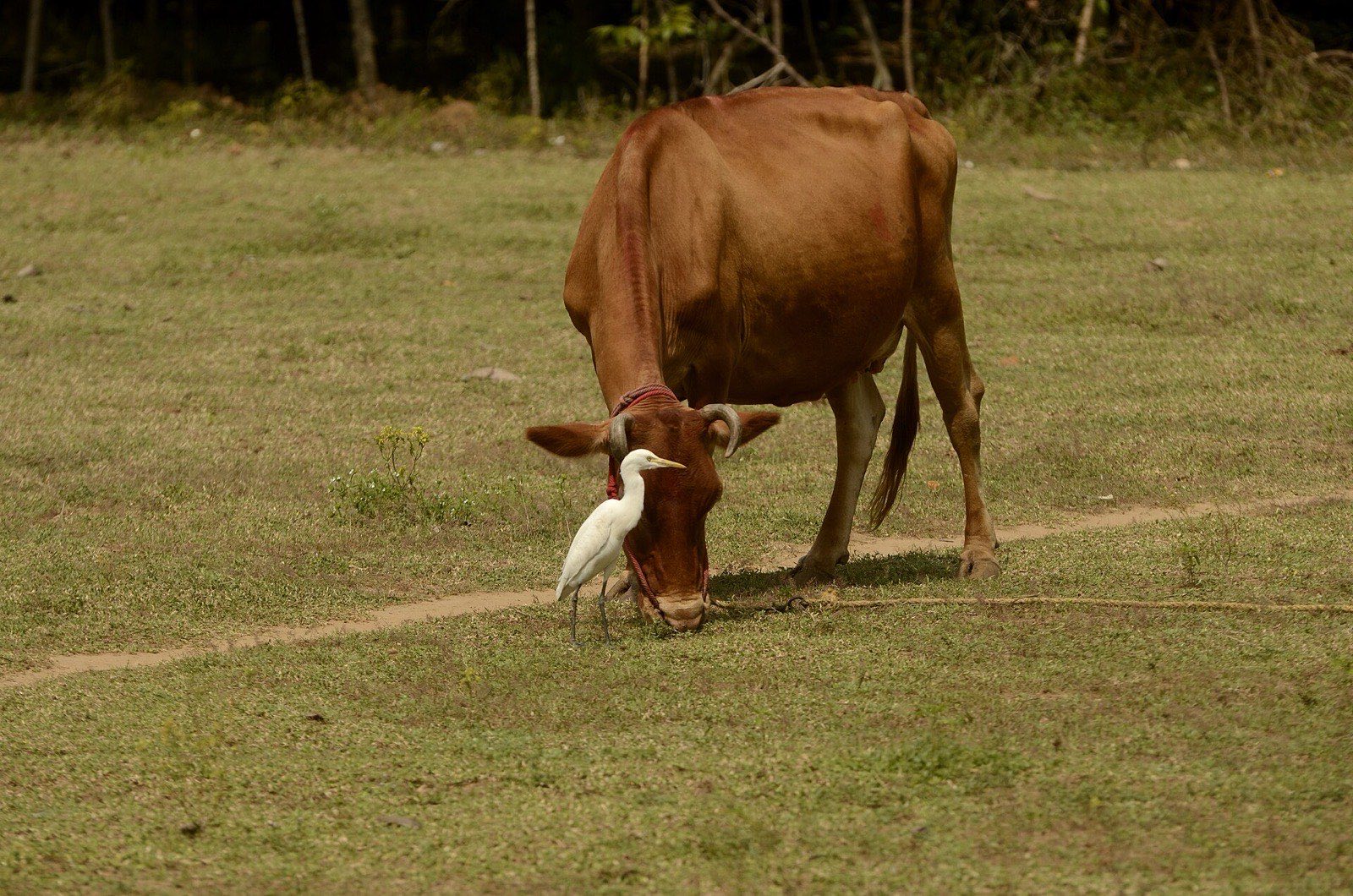 Cattle egret photos
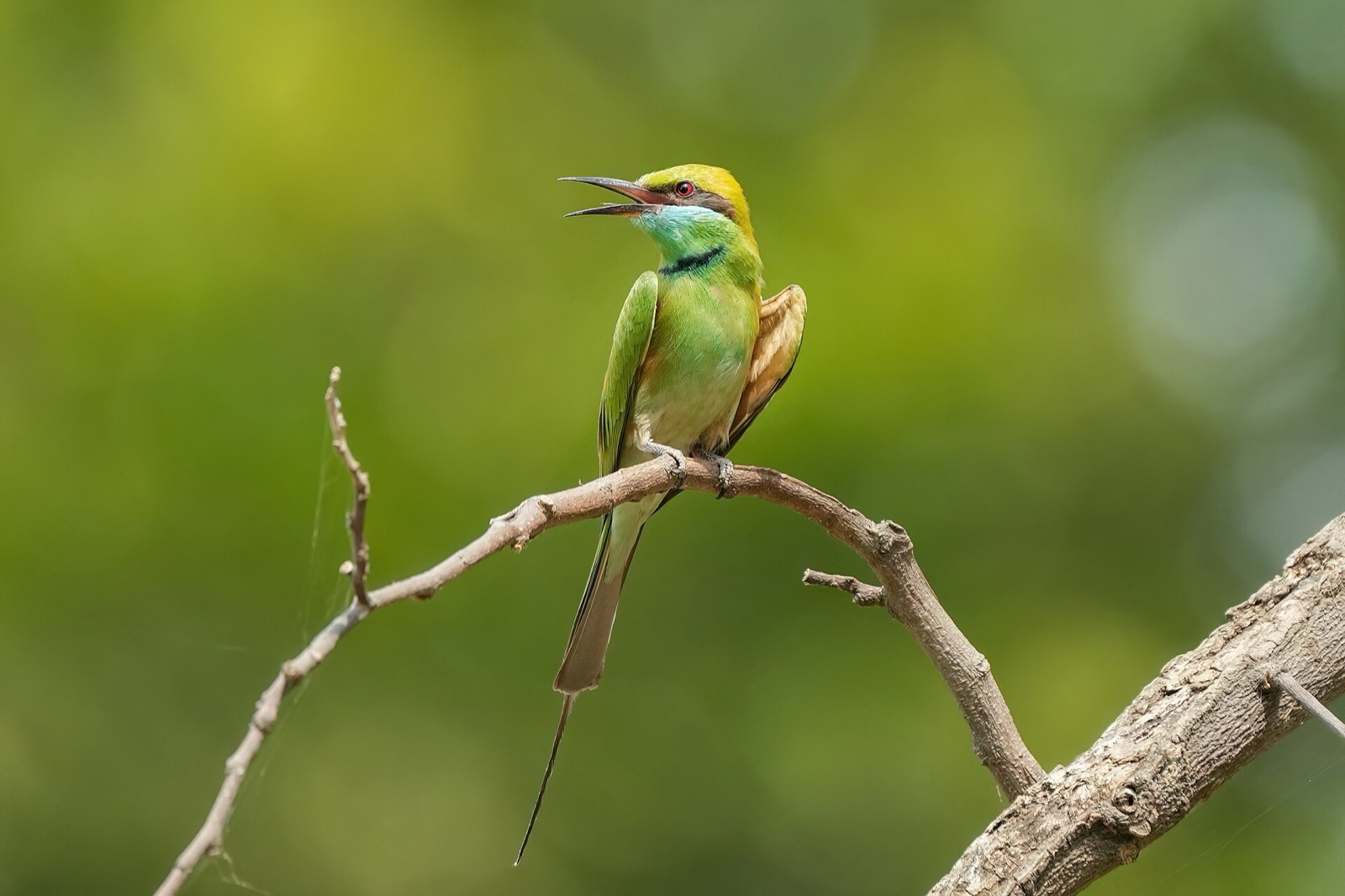 Green bee-eater photos
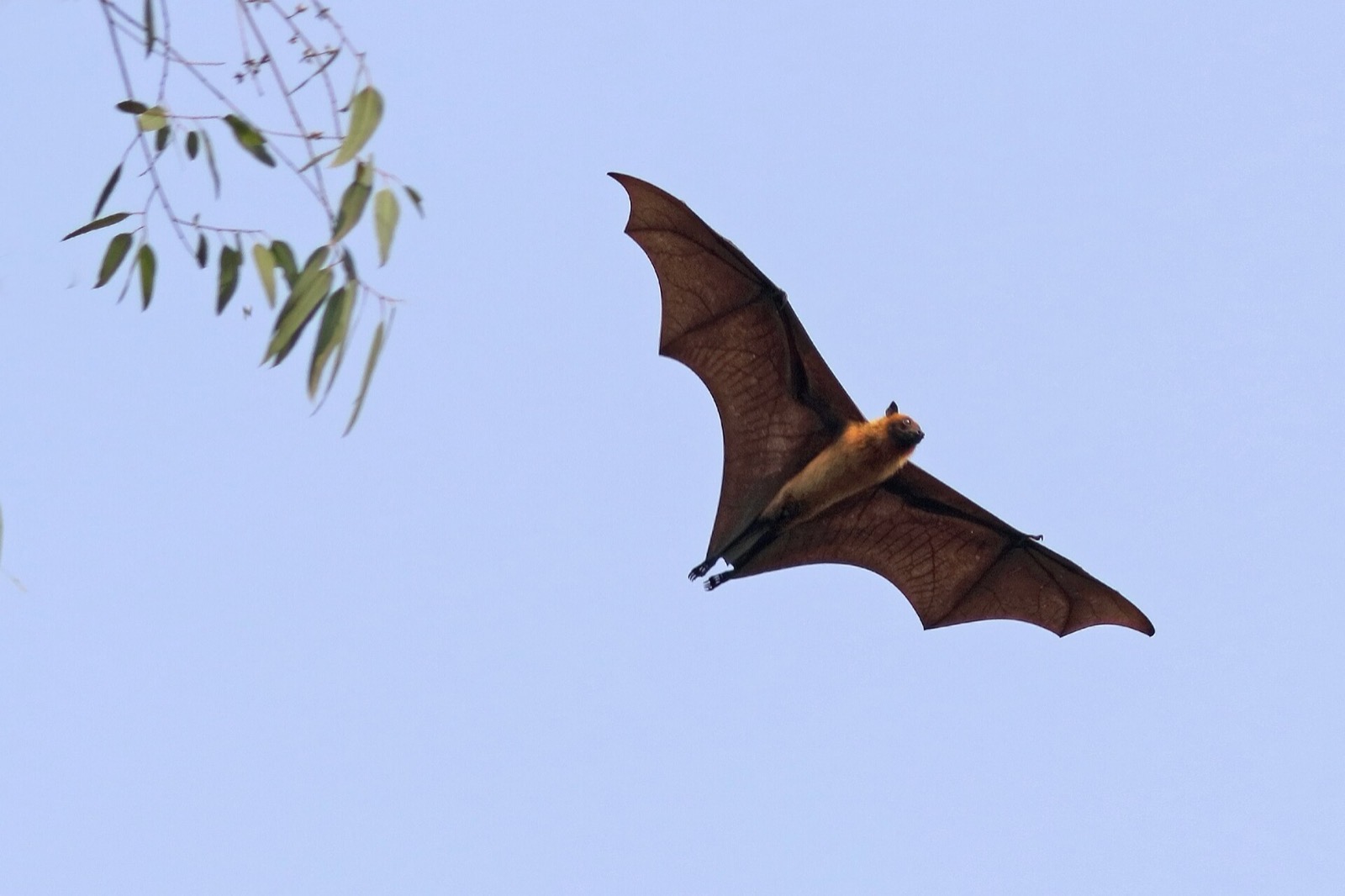 Fruit bats photos


